eastern subterranean termites | what are termite swarmers?

Eastern subterranean termites are the most common termite species found in Virginia and the Tidewater region. One of the earliest and most alarming signs homeowners notice is the sudden appearance of flying insects inside the home. These are known as termite swarmers.

Understanding what swarmers are — and what they mean — can help prevent costly structural damage.

what are termite swarmers?

Termite swarmers are winged reproductive termites whose purpose is to leave an existing colony and form a new one. They are not responsible for feeding on wood or damaging structures themselves, but they signal that a mature termite colony is nearby.

Swarmers emerge in large numbers and are often mistaken for flying ants.

Key facts about termite swarmers:

  • they are reproductive termites
  • they leave established colonies
  • they appear in large numbers at once
  • they shed their wings after landing

why do eastern subterranean termites swarm?

Swarming is how termite colonies reproduce and spread. When environmental conditions are right — usually warm temperatures combined with moisture — a mature colony releases swarmers to establish new colonies.

After swarming:

  • males and females pair off
  • wings are discarded
  • termites search for soil and wood contact
  • a new colony may form underground

Even a single successful pair can eventually cause significant structural damage.

when do termite swarmers appear in virginia?

In southeastern Virginia and coastal areas, eastern subterranean termite swarmers typically appear:

  • late winter through spring
  • after rainfall followed by warm temperatures
  • during daytime hours
  • near windows, doors, and light sources

Swarmers are attracted to light, which is why they are often found inside homes near windowsills or sliding glass doors.

are termite swarmers dangerous?

Swarmers do not bite, sting, or cause damage themselves. However, seeing swarmers indoors is a serious warning sign.

Indoor swarming often indicates:

  • an active termite colony nearby
  • possible infestation under or inside the structure
  • favorable moisture conditions for termites

Spraying or killing swarmers does not eliminate the colony.

termite swarmers vs flying ants

Many homeowners confuse termite swarmers with flying ants. Correct identification is critical.

Termite swarmers:

  • straight antennae
  • equal-length wings
  • thick, straight bodies

Flying ants:

  • bent antennae
  • uneven wing lengths
  • narrow “pinched” waist

Misidentifying swarmers can delay proper treatment.

what should you do if you see termite swarmers?

If you notice swarmers inside your home:

  • do not disturb the area
  • avoid using household sprays
  • note where the swarmers appeared
  • schedule a professional termite inspection

Early detection is one of the best ways to reduce repair costs and prevent further damage.

why eastern subterranean termites are a concern

Eastern subterranean termites live underground and build mud tubes to access wood inside homes. Because damage occurs out of sight, infestations often go unnoticed until swarmers appear or structural issues develop.

Homes in humid, coastal, and wooded areas are especially vulnerable.

the bottom line

Termite swarmers are one of the earliest visible signs of eastern subterranean termite activity. While they only appear briefly, they indicate that conditions are right for termites — and that a colony may already exist nearby.

Understanding swarmers helps homeowners act early, before termites cause serious damage.


Frequently Asked Questions about 

https://content.ces.ncsu.edu/termite-swarmers-what-do-they-mean-for-you

Late Winter Pests in Tidewater Virginia: What Homeowners Should Watch for in February

While February may feel like the quiet season for pests, late winter is actually when many infestations start building behind the scenes. Cooler temperatures drive insects and rodents indoors, and as the weather slowly begins to warm across Suffolk, Chesapeake, Virginia Beach, and the surrounding Tidewater area, pest activity ramps up fast.

Catching problems now can save you bigger headaches this spring.

Here’s what Coastal Pest Control sees most often in February.


🐜 Ants Start Searching for Food and Warmth

Even though outdoor ant colonies slow down in winter, ants frequently move inside homes looking for warmth and moisture.

Common February ant issues include:

  • Kitchen and pantry

  • Ants coming in around windows and doors

  • Moisture-loving ants in bathrooms and crawlspaces

Once spring hits, these small indoor colonies can explode into major infestations.

Tip: Seal cracks, wipe down food areas daily, and address ants early before warmer weather arrives.


🐭 Rodents Stay Active All Winter Long

Rats and mice don’t hibernate — and February is prime time for indoor nesting.

Signs to watch for:

  • Scratching sounds in walls or attics

  • Droppings in cabinets or garages

  • Chewed wires, insulation, or food containers

Rodents multiply quickly and can cause serious damage if left untreated.

Early control now prevents large spring populations.


🐜 Termite Season Is Closer Than You Think

In Tidewater Virginia, termite swarming season usually begins in early spring — sometimes as soon as March when temperatures rise.

February is the perfect time to:

  • Schedule termite inspections

  • Address moisture issues around foundations

  • Check crawlspaces and wood structures

Catching termites early can prevent thousands in structural damage.


🕷️ Spiders & Overwintering Insects Become More Visible

As temperatures fluctuate, pests that hid all winter begin moving around again — including spiders, stink bugs, cockroaches, and silverfish.

Many of these pests live inside wall voids and crawlspaces year-round.

A professional winter treatment keeps populations low before spring breeding starts.


Why Late Winter Pest Control Matters

Most homeowners wait until pests are obvious — but by then infestations are already well-established.

February service helps:

✅ Prevent spring outbreaks
✅ Reduce indoor pest populations
✅ Protect against termite damage
✅ Keep rodents under control

It’s one of the smartest times of year to get ahead of problems.


Trust Coastal Pest Control — Serving Tidewater for Over 30 Years

At Coastal Pest Control, we’ve been protecting homes and businesses across:

With over 30 years of local experience and 1,200+ five-star reviews, we know exactly what pests affect our area — and how to stop them.

https://www.pubs.ext.vt.edu/category/pests.html

Late Winter Pest Control Tips for Tidewater Homeowners

Why Late Winter Is the Best Time to Prevent Spring Pest Problems in Tidewater

As winter starts to ease and temperatures fluctuate, many homeowners across Tidewater don’t realize that pest activity is already beginning — just not always where you can see it.

Late winter is actually one of the best times to prevent spring and summer pest problems, and taking a few simple steps now can save time, money, and frustration later.


What’s Happening With Pests Right Now?

Even though it still feels cold some mornings, pests don’t operate on the same calendar we do.

During late winter:

  • Ants begin scouting for food sources

  • Roaches stay active indoors where it’s warm

  • Rodents continue nesting inside walls and crawlspaces

  • Termites remain active below ground

Many infestations that homeowners notice in April or May actually started weeks earlier.


Why Waiting Until Spring Can Be a Problem

Once temperatures rise consistently, pest activity increases fast. By then:

  • Colonies are larger

  • Entry points are already established

  • Treatment can be more involved

Addressing issues early often allows for simpler, more targeted solutions before pests become established.


Areas Homeowners Should Check Now

Late winter is a good time to inspect areas that often get overlooked:

  • Under sinks and around plumbing penetrations

  • Garages and storage rooms

  • Crawlspace access points

  • Door frames and weather stripping

  • Exterior foundation cracks

Catching small signs early can prevent bigger issues later in the season.


Moisture Still Matters in Winter

Tidewater’s humidity doesn’t disappear in winter, and moisture remains one of the biggest pest attractants.

Things to watch for:

  • Leaking pipes

  • Damp crawlspaces

  • Standing water near foundations

Controlling moisture now reduces pest pressure as temperatures rise.


A Smarter Way to Start the Season

Preventive pest control isn’t about reacting to an emergency — it’s about staying ahead of problems before they start.

Late winter is an ideal time to:

  • Ask questions

  • Identify risk areas

  • Make small corrections before spring arrives


Serving Tidewater Homeowners for Over 30 Years

At Coastal Pest Control, we’ve been helping local families protect their homes across Tidewater for more than three decades. Our approach has always been straightforward, honest, and focused on long-term results — not quick fixes.

If you ever have questions or notice something that doesn’t look right, we’re always happy to help.

Rodent Problems in Tidewater Virginia: What Homeowners Need to Know

Rodent activity is a year-round concern in Tidewater Virginia, but many homeowners don’t realize how quickly mice and rats can become a serious problem. From Suffolk and Chesapeake to Virginia Beach and Norfolk, rodents thrive in our mild winters, older neighborhoods, and waterfront environments.

At Coastal Pest Control, we’ve been helping homeowners control rodent problems across Tidewater since 1993—and early action makes all the difference.

Common Rodents in Tidewater Virginia

House Mice
Small but destructive, house mice can squeeze through openings as small as a dime. Once inside, they contaminate food, chew insulation and wiring, and reproduce rapidly.

Norway Rats
Often found around foundations, crawlspaces, and sewers, Norway rats are strong burrowers and can cause structural damage if left untreated.

Roof Rats
More common near trees and waterfront areas, roof rats enter homes through attics, vents, and rooflines.

Why Rodents Love Tidewater Homes

  • Mild coastal winters allow year-round activity

  • Older construction with gaps and crawlspaces

  • Abundant food sources in residential areas

  • Waterfront and drainage systems that support nesting

Once rodents find shelter, they rarely leave on their own.

Signs of a Rodent Problem

  • Droppings in kitchens, garages, or storage areas

  • Scratching or scurrying sounds in walls or ceilings

  • Chewed wires, insulation, or wood

  • Grease marks along baseboards or walls

Seeing even one rodent usually means others are present.

Professional Rodent Control That Works

Coastal Pest Control uses a comprehensive approach that includes:

  • Detailed inspections

  • Entry-point identification and sealing recommendations

  • Targeted trapping and baiting

  • Ongoing monitoring and prevention

Why Homeowners Trust Coastal Pest Control

  • Locally owned and operated since 1993

  • Over 1,200 five-star Google reviews

  • Safe, effective rodent control solutions

  • Trusted throughout Tidewater Virginia

If you suspect rodents in your home, don’t wait. The longer they remain, the more damage they can cause.

📞 Call Coastal Pest Control today and protect your Tidewater home from unwanted rodent invaders.


Why You’re Seeing More Pests After Heavy Rain in Hampton Roads

If you’ve noticed an increase in pest activity after heavy rain in Hampton Roads, you’re not alone. Wet weather is one of the biggest triggers for pest problems in Suffolk, Virginia Beach, and Chesapeake.

At Coastal Pest Control, we often see a spike in service calls after storms—and here’s why.

How Heavy Rain Drives Pests Indoors

When rain saturates the ground, pests are forced out of their natural nesting areas. To survive, they look for higher, drier ground—and homes are the perfect target.

Pests Commonly Seen After Rain

Ants
Flooded nests push ants inside in search of food and dry shelter. Once they find a source, they leave scent trails that attract even more ants.

Cockroaches
Roaches thrive in moisture. Heavy rain drives them from sewers, drains, and crawlspaces straight into kitchens and bathrooms.

Spiders
Spiders follow other insects indoors. Increased spider activity is often a sign of a larger pest issue.

Rodents
Rats and mice abandon flooded burrows and enter homes through small gaps around foundations, doors, and utility lines.

Warning Signs to Watch For

  • Ant trails along baseboards or counters

  • Roaches appearing during the day

  • Droppings in garages or storage areas

  • Increased spider webs inside the home

How to Reduce Pest Problems After Rain

  • Fix drainage issues around your home

  • Keep gutters clear and downspouts directed away from foundations

  • Seal cracks and gaps around entry points

  • Avoid leaving pet food or crumbs accessible

Why Professional Pest Control Matters

DIY treatments often only address what you can see. Professional pest control targets nesting areas, entry points, and conditions that allow pests to return.

Coastal Pest Control has been protecting Hampton Roads homes since 1993, earning over 1,200 five-star reviews for reliable, effective service.

If heavy rain has brought pests into your home, don’t wait for the problem to grow.

📞 Call Coastal Pest Control today and let local pest professionals keep your home pest-free—rain or shine.


Common Winter Pests in Hampton Roads & How to Keep Them Out

As temperatures drop across Hampton Roads, many pests look for warmth, food, and shelter inside homes. Unfortunately, winter doesn’t mean pest problems stop—it just means they move indoors.

At Coastal Pest Control, we’ve been protecting homes in Suffolk, Virginia Beach, and Chesapeake since 1993, and winter pest activity is something we see every year.

Common Winter Pests in Our Area

Rodents (Mice & Rats)
Rodents are one of the biggest winter concerns. They squeeze through tiny openings, chew wiring, contaminate food, and multiply quickly once inside.

Cockroaches
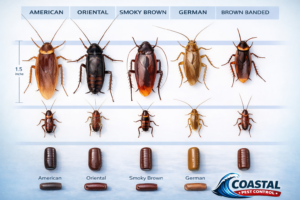
German and American cockroaches seek warmth and moisture during colder months, often hiding in kitchens, bathrooms, and utility rooms.

Spiders
While most spiders are harmless, they often follow other pests indoors for food. Seeing spiders usually means other insects are present.

Ants
Ant activity slows in winter, but certain species can remain active indoors when they find a steady food source.

How Pests Get Inside

  • Gaps around doors and windows

  • Cracks in foundations or siding

  • Utility and plumbing penetrations

  • Attics, crawlspaces, and garages

Many infestations start long before homeowners realize pests are inside.

How to Protect Your Home

  • Seal cracks and gaps around entry points

  • Store food in airtight containers

  • Reduce clutter in basements and garages

  • Schedule routine pest control inspections

Why Choose Coastal Pest Control

  • Locally owned & operated since 1993

  • Over 1,200 five-star Google reviews

  • Safe, effective treatments for families and pets

  • Residential and commercial pest control experts

If you’re seeing signs of pests—or want to prevent a problem before it starts—our team is here to help.

📞 Call Coastal Pest Control today and let local pest professionals protect your home year-round.